Prova d'enviament des d'un client d'Android (Fedilab) per a la meva instància de microblog.pub 
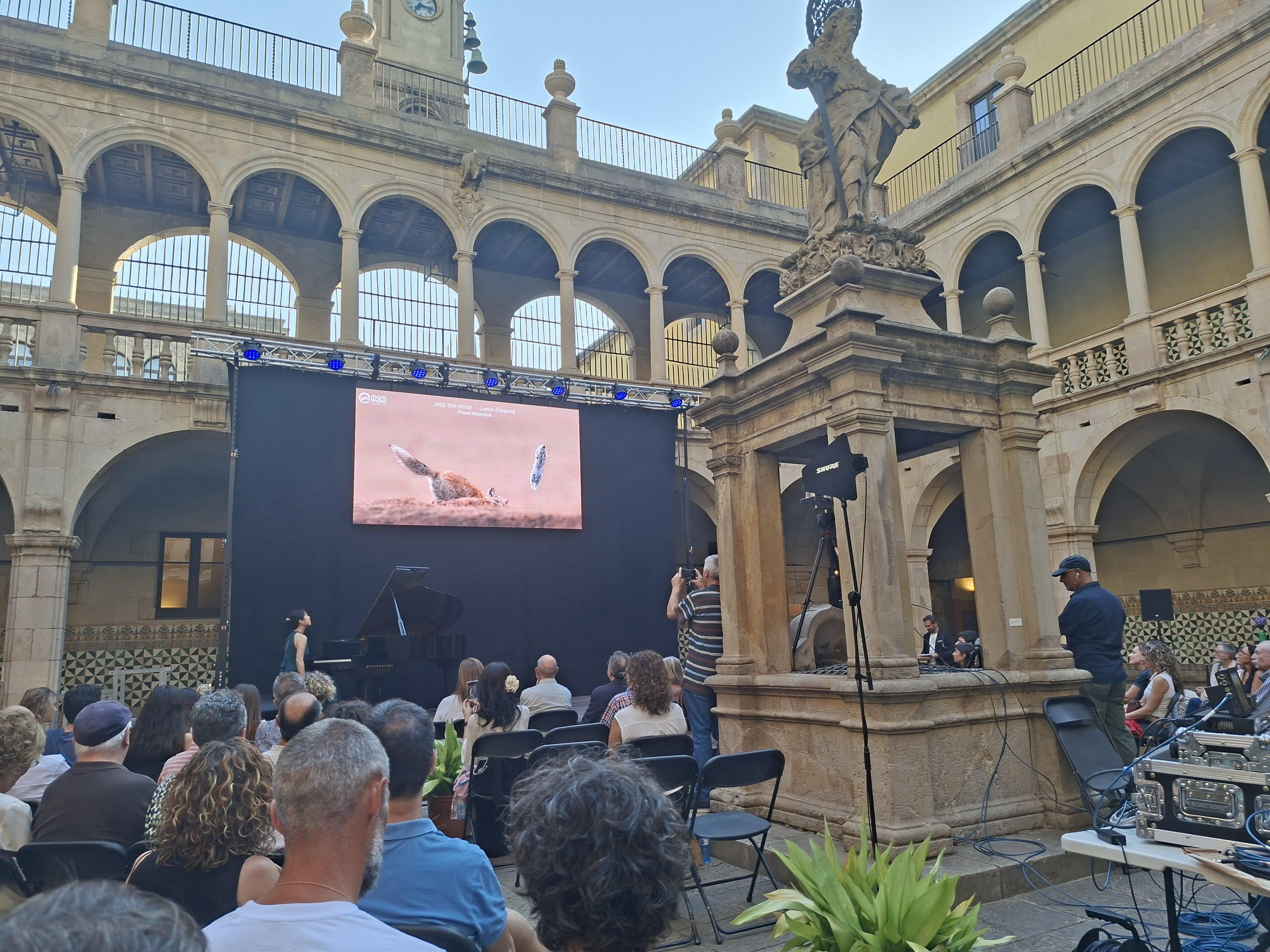
Comença la 11a edició de la Nit de la Biologia #NitBio2026 - Podeu seguir el lliurament de #PremisSCB2026 en directe també https://www.youtube.com/live/aWVnFcV6z5U?is=dB4dreuPZz6neoYL
Enguany, 3 i 4 d'octubre, participo en l'edició 2026 de l' #OncoTrail - una cursa d'equips de 100 km 
 que recull fons per als afectats pel càncer a les comarques gironines. Podeu fer una donació al meu equip, Amics de l'Aina, des de l'enllaç: https://participa.oncolligagirona.cat/oncos/oncotrail/equips/130-amics-de-laina.html
I must admit it is a bit silly, but I became aware of the degradation of some Systemd units in my systems thanks to this GNOME extension: https://extensions.gnome.org/extension/6045/systemd-status/
Acabo de descobrir que es poden emprar els mapes  de l'ICGC (https://www.icgc.cat/) a l' #OSMand
  - Gràcies per recollir-los, @osmcatala@mastodont.cat ( https://wiki.openstreetmap.org/wiki/Ca:Institut_Cartogr%C3%A0fic_i_Geol%C3%B2gic_de_Catalunya ) i a l'ICGC per facilitar-ne l'ús a la comunitat.
I recovered the scrolling wheel of my Logitech M570 mouse  thanks to this video: https://www.youtube.com/watch?v=Egmqhzg6cPA It is amazing how such a simply cleaning procedure can help things out!
Mentre estava llegint el llibre Selfie (2017), de Will Storr, en un dels capítols constantment em ressonaven les habituals crítiques al sistema educatiu català actual. Un article resum del capítol en qüestió: https://www.theguardian.com/lifeandstyle/2017/jun/03/quasi-religious-great-self-esteem-con
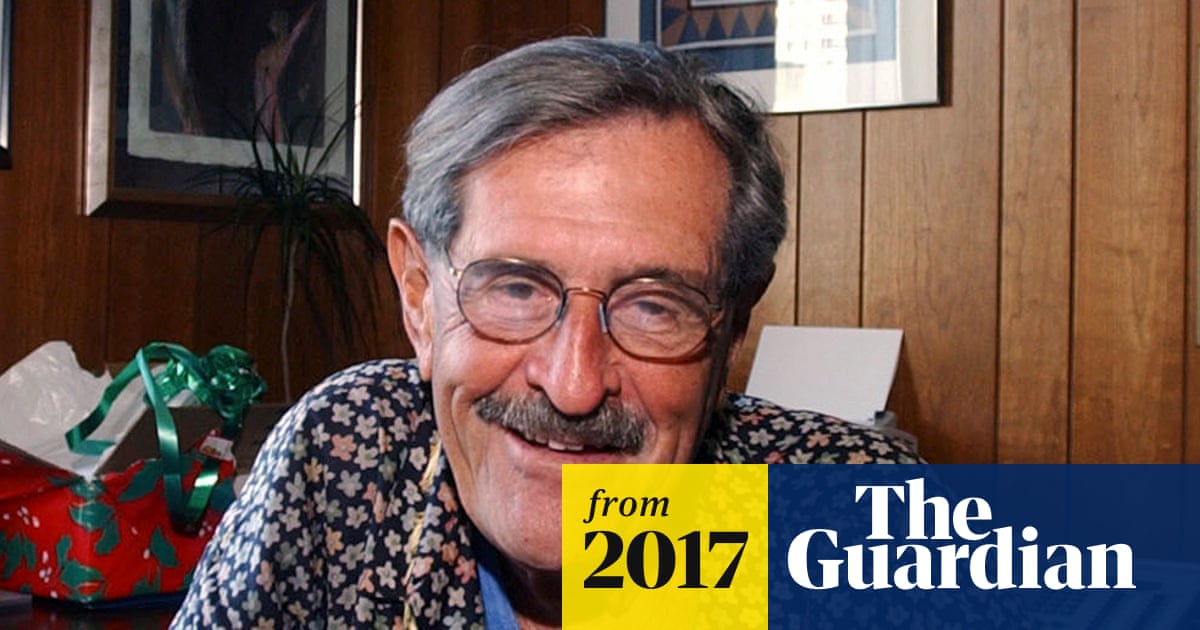
'It was quasi-religious': the great self-esteem con
the Guardian
I use Tokyonight themes (https://github.com/folke/tokyonight.nvim) in most of my terminal applications. So, why should not use them in my #GNOME Desktop Environment as well https://github.com/Fausto-Korpsvart/Tokyonight-GTK-Theme ?
Using the install.sh CLI is quite straightforward, and you can choose the just installed look and feel by using GNOME tweaks tool (https://itsfoss.com/gnome-tweak-tool/). Some additional icons are also provided!
 Toni Hermoso Pulido shared
Diccionari anglès-català!
❇️ Des de la base: voluntariat, amb fonts existents i contribució a dades obertes.
❇️ Més que un diccionari bilingüe: Traducció de paraules amb exemples.
❇️ Presentació: 16 de juny, 10 h, Col·legi de Periodistes de Catalunya.
https://www.softcatala.org/noticies/presentem-el-diccionari-angles-catala/

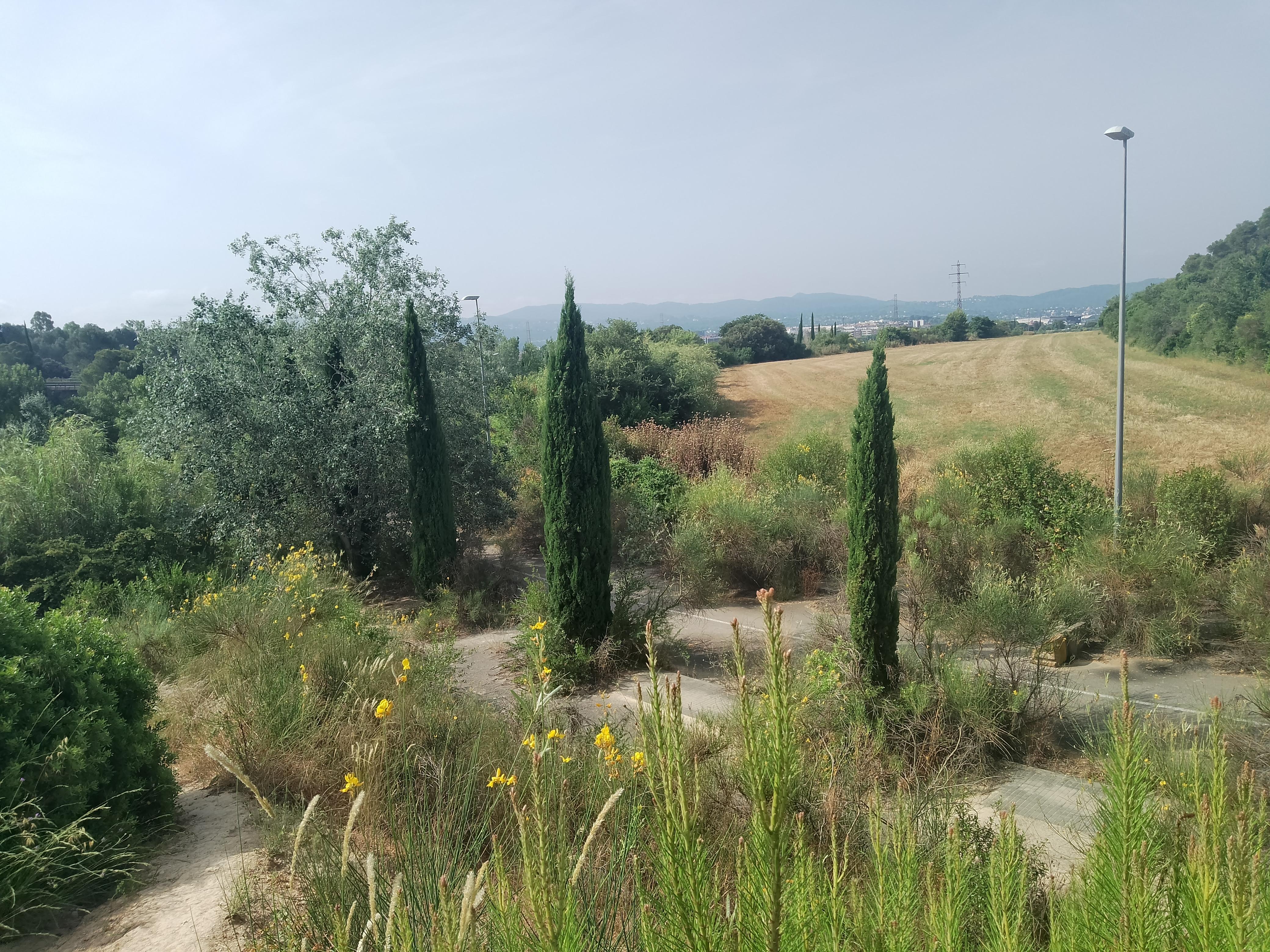
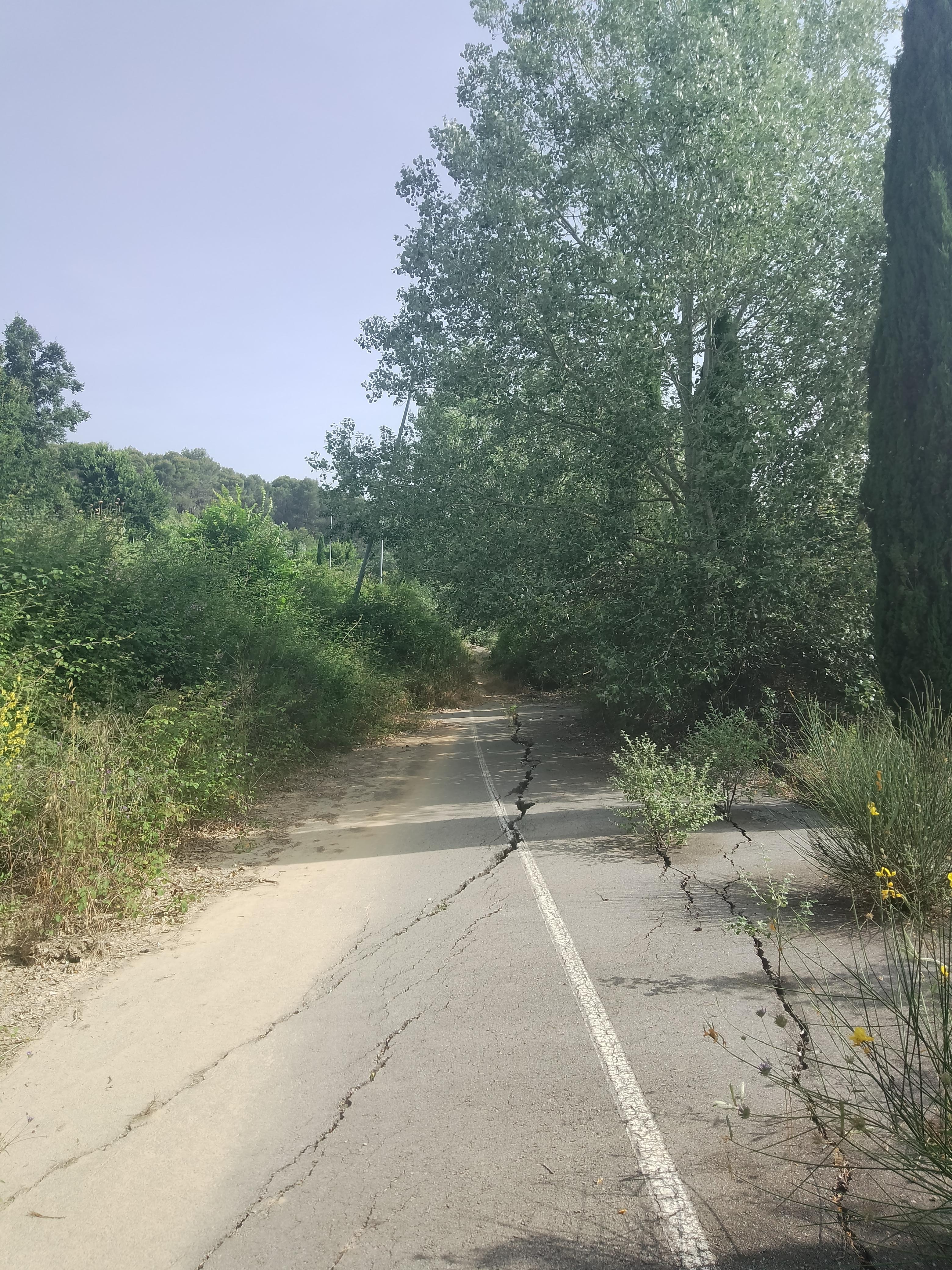
Avui fent la tirada llarga  de cap de setmana, m'he trobat amb un escenari propi de l'imaginari apocalíptic: una infraestructura humana conquerida per la natura. És el camí de Can Marcet (https://www.openstreetmap.org/?#map=17/41.498043/2.069131), a Sant Cugat del Vallès, on sembla que tot un carrer, amb voreres i instal·lacions com arbustos i fanals, però sense edificar-hi als costats, ha estat abandonat i engolit per la vegetació
  . Tot un espectacle!
OpenStreetMap
OpenStreetMap
Quan vaig a córrer per la muntanya  acostumo a planificar la ruta amb #OSMAnd (una aplicació mòbil basada @osmcatala@mastodont.cat). A vegades miro d'improvisar i explorar nous corriols, que llavors s'incorporaran en l'amalgama de fragments per configurar rutes futures. Per a fer-ho, exporto la traça GPS de l'aplicació del meu rellotge esportiu
  i la importo en el web de l'OpenStreetMap (https://www.openstreetmap.org/traces - Més informació a: https://wiki.openstreetmap.org/wiki/Upload_GPS_tracks). Tot seguit miro de dibuixar i desar els corriols resseguint la traça importada.
Cada mes hi ha actualitzacions de mapes a l'OSMAnd i el més segur és que les contribucions fetes s'hi hagin incorporat. Amb això, ja puc marcar noves rutes i permetre que altres corredors o excursionistes  també se'n puguin beneficiar.
Public GPS Traces
OpenStreetMap
Toni Hermoso Pulido shared 

 Toni Hermoso Pulido shared
@jni The Fediverse is more like medieval feudalism than like modern democracy. Defederation is a way of handling conflicts between lords, which individually may or may not care about their vassals.
Compared to the empires of centralized networks, that's progress, but there remains a lot of room for improvement. One promising ideas is running instances as cooperatives, as e.g. https://social.coop/. A federation of cooperations only could probably handle conflicts in a much better way.

social.coop
Mastodon hosted on social.coop
Toni Hermoso Pulido shared 
Re: #LLM #AI in scientific products. The jinni is out of the bottle, as people will be using these tools at an increasing rate to automate tasks in science. Asking them to go back to 2019 is simply NOT going to happen. But we should maximize transparency & #scienceedu by not only asking them to declare the use, but also show HOW these products were used. In a sense #LLMs have/will become "materials and methods" and we should treat them and their output as such.
Toni Hermoso Pulido shared New blog post: "Why we should review research software"
https://blog.khinsen.net/posts/2025/04/11/reviewing-software.html
Toni Hermoso Pulido shared 
It's #WorldBookDay (in the UK and Ireland, at least) 📚
Love the smell of new or old books? Here's the chemical explanation for what you're smelling!
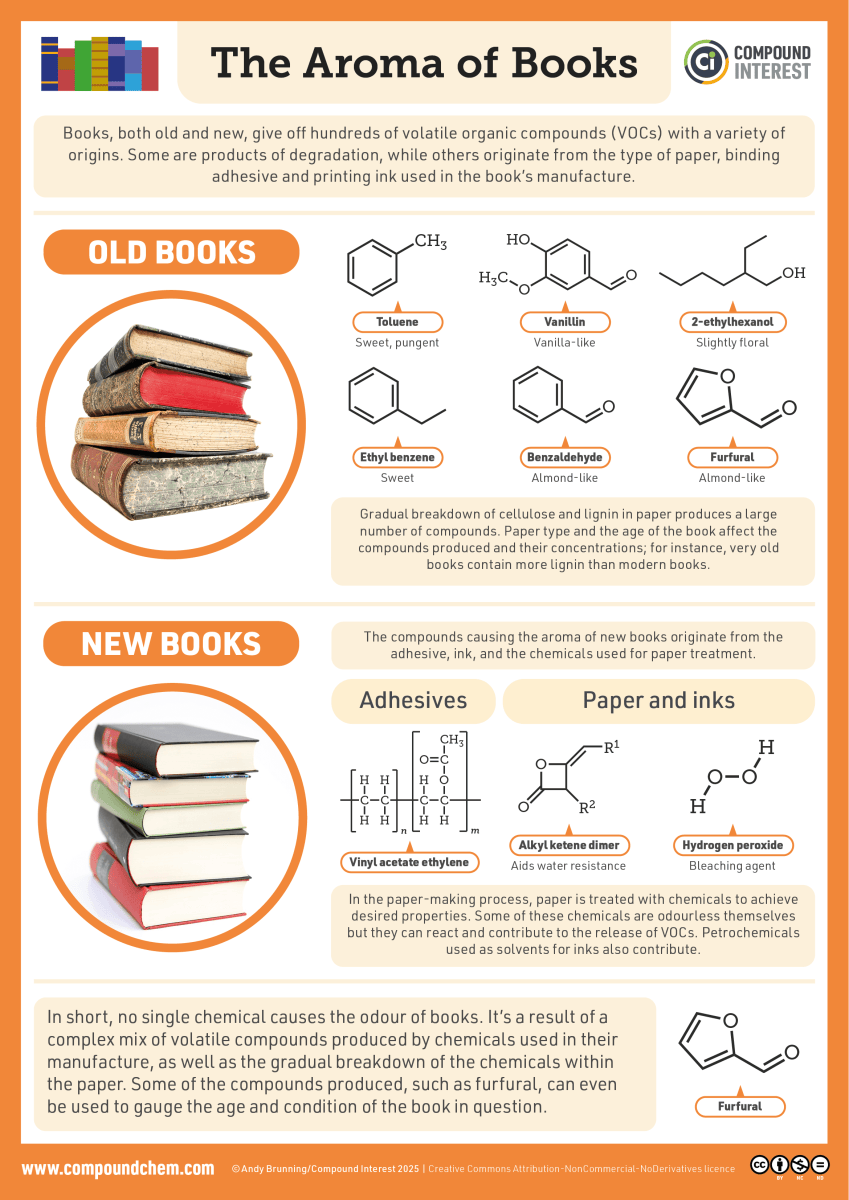
Compound Interest: What Causes the Smell of New & Old Books?
Compound Interest
 Toni Hermoso Pulido shared
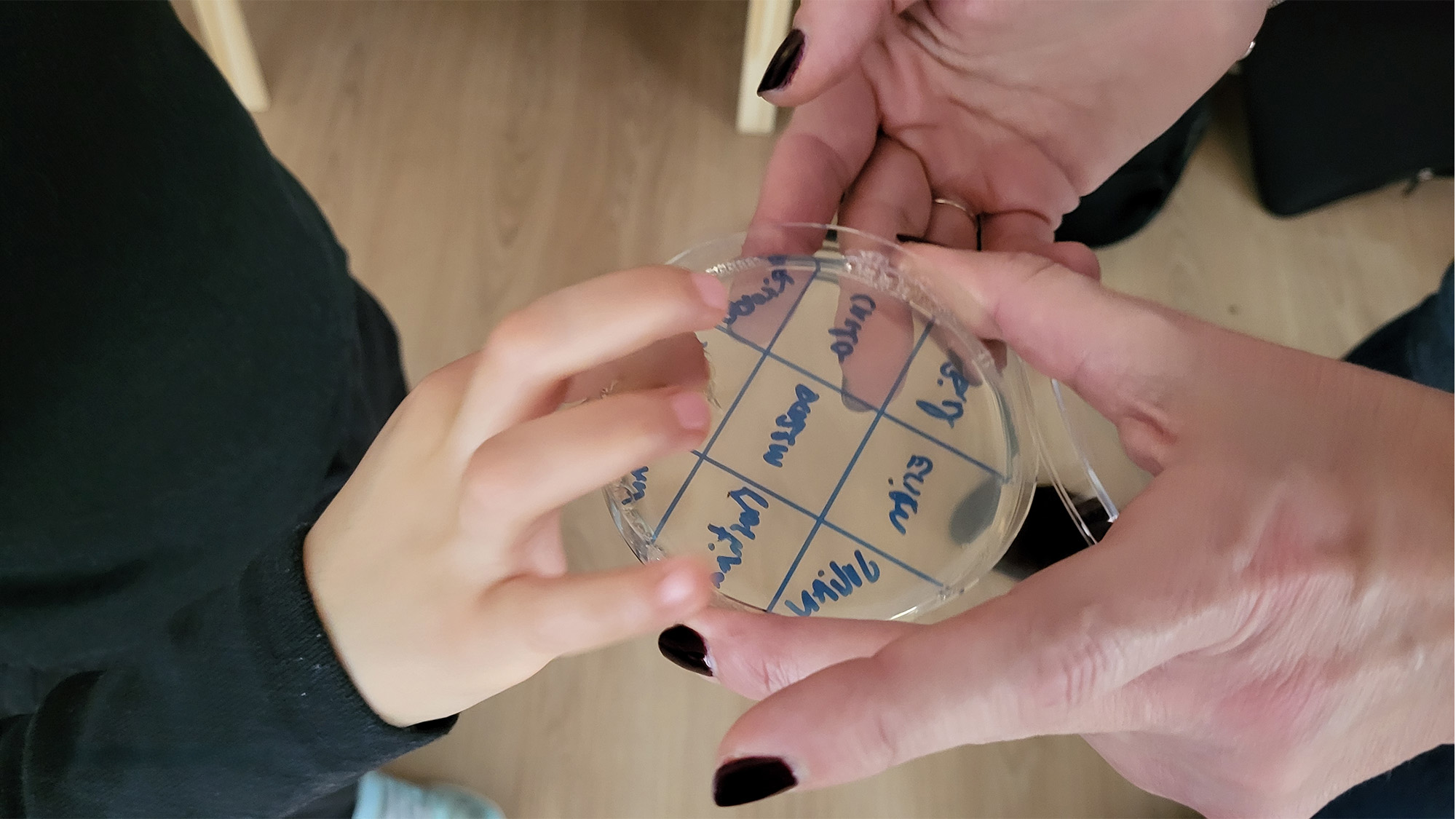
Una jornada intergeneracional de dona i ciència El PRBB celebra l’èxit de la Viquimarató i les xerrades “Què és la ciència?” realitzades enguany amb motiu del Dia Internacional de la Dona i la Nena en la Ciència. https://ellipse.prbb.org/ca/una-jornada-intergeneracional-de-dona-i-ciencia/
 Toni Hermoso Pulido shared
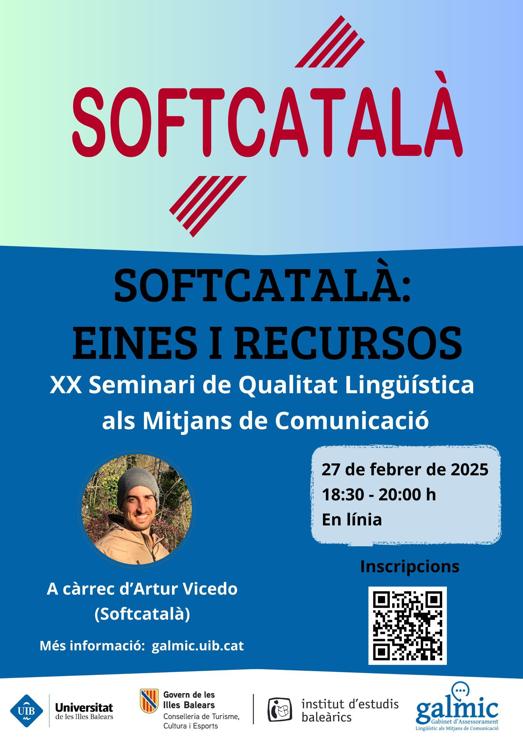
 El company @Artur ens representarà en el XX Seminari de Qualitat Lingüística als Mitjans de Comunicació, organitzat pel Gabinet d’Assessorament Lingüístic als Mitjans de Comunicació de la Universitat de les Illes Balears.
Serà en línia el dijous 27 de febrer. Tens més informació ací 👇🏻
A good thing about having a sports watch is that it helps you become aware of the negative effects of evening #alcohol consumption  by disrupting your #sleep
  ( https://runningwithrock.com/garmin-body-battery-hungover/ ). Despite being a sedative substance (making you fall asleep sooner), it reduces the amount of quality REM sleep (associated with memory and cognition) or delays its onset during the night ( https://theconversation.com/alcohol-may-help-you-fall-asleep-faster-but-it-leads-to-a-worse-nights-rest-overall-heres-why-246841 ). Regarding athletic performance
  , it also affects many metrics such as "resting heart rate" and "heart rate variability" that, in the end, are linked to body recovery after training ( https://www.triathlete.com/nutrition/a-nutritionist-shares-what-a-month-of-no-alcohol-did-to-his-body/ ).